


Glass vs Ceramic Coffee Mugs: Which Is Better?

Last Updated: October 23, 2026
Quick Summary
Ceramic coffee mugs hold heat longer, while glass coffee mugs let you watch the brew and cool faster. Choose ceramic for long sipping and durability, or glass for visual appeal and quicker cooling. Most coffee lovers end up owning both.
Preheat any mug with hot tap water for 30 seconds to slow the cooling rate.
Ceramic chips at the rim, while glass resists chipping but cracks under hard impact.
Thick ceramic walls make ceramic the best material for espresso cups in most home setups.
Never microwave a mug with metallic trim or a gold rim because the metal can spark.
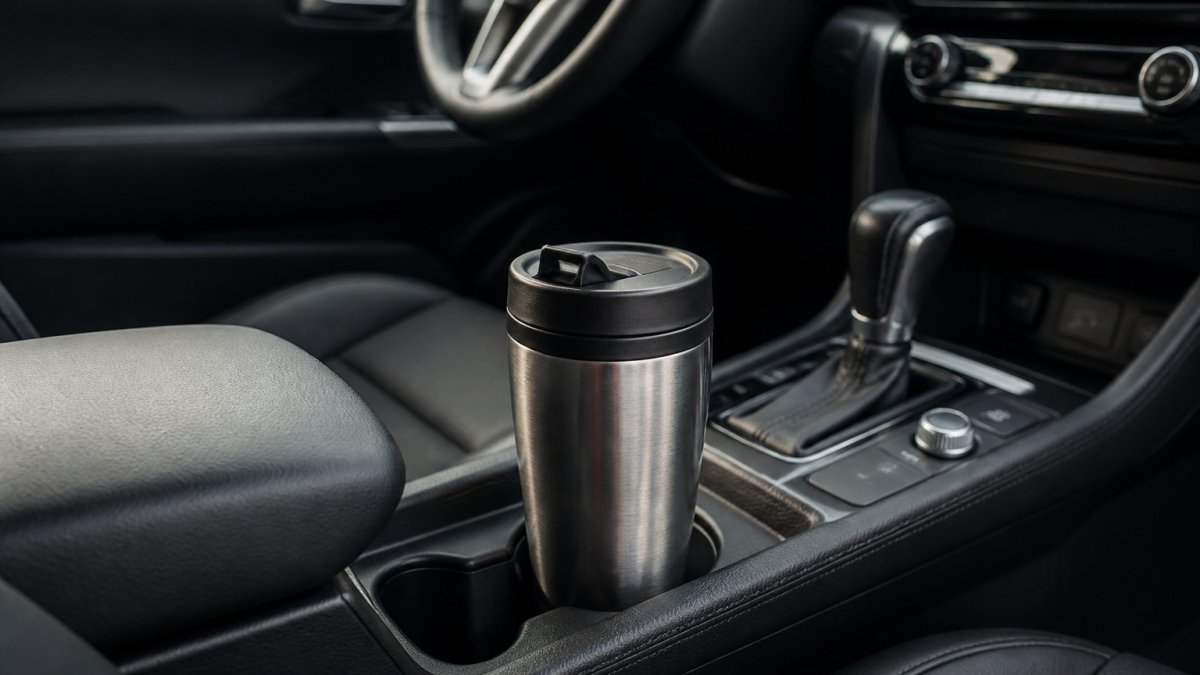
For commuting, an insulated travel mug beats both glass and ceramic for heat retention.
Table of Contents
Glass vs Ceramic Coffee Mugs: The Core Differences
Do Ceramic Mugs Keep Coffee Hot Longer Than Glass?
Durability, Breakage, and Thermal Shock
Taste, Aroma, and the Drinking Experience
The Best Material for Espresso Cups
Microwave, Dishwasher, and Ceramic Coffee Mug Care
Which Mug Fits Your Coffee Style? A Decision Guide
Frequently Asked Questions
Glass vs Ceramic Coffee Mugs: The Core Differences
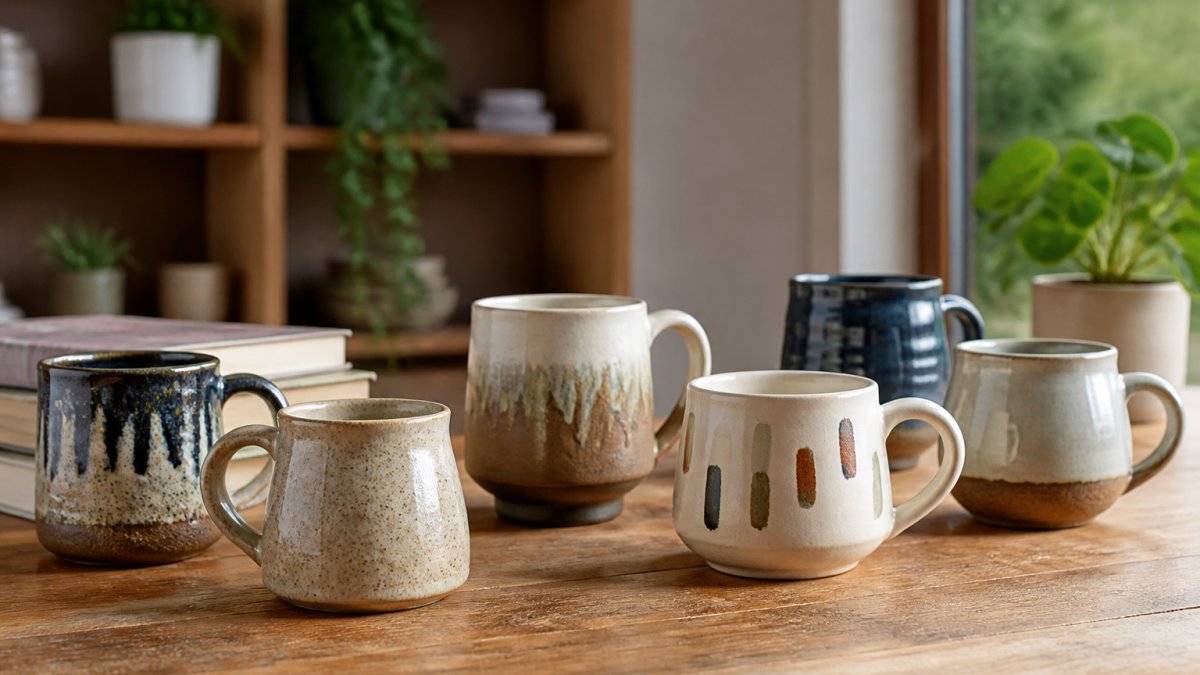
The choice between glass vs ceramic coffee mugs comes down to one trade-off: ceramic holds heat longer, while glass lets you watch the brew and cools faster. At loveUcoffeeMugs, we offer a curated selection of unique coffee mugs, travel mugs, and collectables. Below, we break down heat, durability, taste, and care so you can pick the right coffee mugs the first time.
The material itself explains most of the difference. Ceramic is a fired clay body finished with a glaze, and that dense wall slows heat loss. Glass is non-porous and transparent, so it transfers heat quickly to the surrounding air.
That single fact drives almost every other comparison in this guide. It also explains why the "which is better" debate rarely ends in a tie.
Factor | Glass Mug | Ceramic Mug |
Heat retention | Lower, cools faster | Higher, stays warm longer |
Durability | Resists chipping, cracks under impact | Chips at the rim, cracks if dropped |
Thermal shock risk | Higher with sudden temperature change | Lower with thick walls |
Taste and aroma | Neutral, no glaze interaction | Neutral if glaze is intact |
Visual appeal | Shows layers and color | Hides contents, shows glaze |
Weight | Often lighter | Usually heavier |
Best for | Iced drinks, lattes, visual serving | Espresso, drip coffee, long sipping |

Do Ceramic Mugs Keep Coffee Hot Longer Than Glass?
Yes, in most like-for-like comparisons a ceramic mug keeps coffee hot longer than a glass mug of similar size and wall thickness. But the reason is more specific than "ceramic is better." Heat leaves a mug through three paths: conduction through the wall, convection off the exposed coffee surface, and evaporation. Ceramic's fired, dense body and typically thicker wall slow conduction. Glass, especially thin glass, conducts heat quickly to the outside air.
That said, material is only one variable. A controlled comparison would hold these factors constant:
Wall thickness: A thick-walled ceramic mug and a thin glass mug are not a fair test. A heavy glass mug narrows the gap considerably.
Surface area: A wide, shallow mug exposes more coffee to air and loses heat faster than a tall, narrow one, regardless of material.
Preheating: A mug preheated with hot tap water for 30 seconds starts the coffee warmer and slows the initial cooling rate in both materials.
Room temperature and drafts: A cold kitchen or a breeze across the rim accelerates cooling more than the mug material does.
Double-wall construction: A double-walled glass mug traps an insulating air gap between two walls, which meaningfully reduces conduction and narrows the gap with ceramic.
Lid or no lid: A lid reduces evaporation and convection, often more than switching materials would.
A common mistake is judging heat retention by wall thickness alone. Rim width and exposed surface area matter just as much, and a wide ceramic bowl can cool faster than a tall, narrow glass tumbler.
Here's the practical takeaway:
Long sippers who nurse a coffee for 30 minutes should lean toward thick ceramic or a double-walled vessel.
Fast drinkers who want coffee at drinking temperature sooner may actually prefer glass.
Double-walled glass adds an insulating air gap and narrows the gap considerably.
Anyone in a cold room or near a draft should prioritize a lid or a preheated mug over material choice.
Driftaway Coffee's comparison of ceramic and glass cups notes that heat loss through evaporation also depends on the mug's shape, so a wide, shallow glass mug loses heat faster than a tall, narrow one.
Pro Tip Preheat any mug with hot tap water for 30 seconds before pouring. It costs nothing and meaningfully slows the cooling rate in both glass and ceramic.
Durability, Breakage, and Thermal Shock
Ceramic chips; glass cracks. That's the short version. Ceramic mugs handle everyday knocks well but can chip at the rim or handle after a drop. Glass resists chipping but is more vulnerable to a hard impact or a sharp temperature swing.
Thermal shock is the sudden temperature change that can crack glass, such as pouring boiling water into a cold glass mug. Thick ceramic walls buffer that swing better. Thin glass does not.
A few habits that prevent breakage:
Warm a glass mug with tap water before pouring hot coffee.
Never move a mug straight from the freezer to a hot pour.
Inspect rims for hairline cracks, which weaken the mug further.
Store mugs without stacking heavy ceramic on glass.
If durability is your top concern, ceramic wins on daily wear. If you're careful and want the visual payoff, glass holds up fine with basic handling.
Taste, Aroma, and the Drinking Experience
Neither material changes the taste of coffee on its own. A clean glazed ceramic mug and a clean glass mug are both flavor-neutral. What differs is how you perceive the drink.
Glass shows the color, crema, and layers of a latte or pour-over, which many drinkers find enhances the experience. Ceramic hides the contents but keeps aroma concentrated near the rim, and a narrow rim can help preserve aroma as you sip.
Flavor perception is partly visual and partly aromatic. A wide ceramic rim releases aroma broadly; a tulip-shaped ceramic cup focuses it. Glass, being transparent, adds a visual cue that drinkers often describe as making the coffee feel fresher.
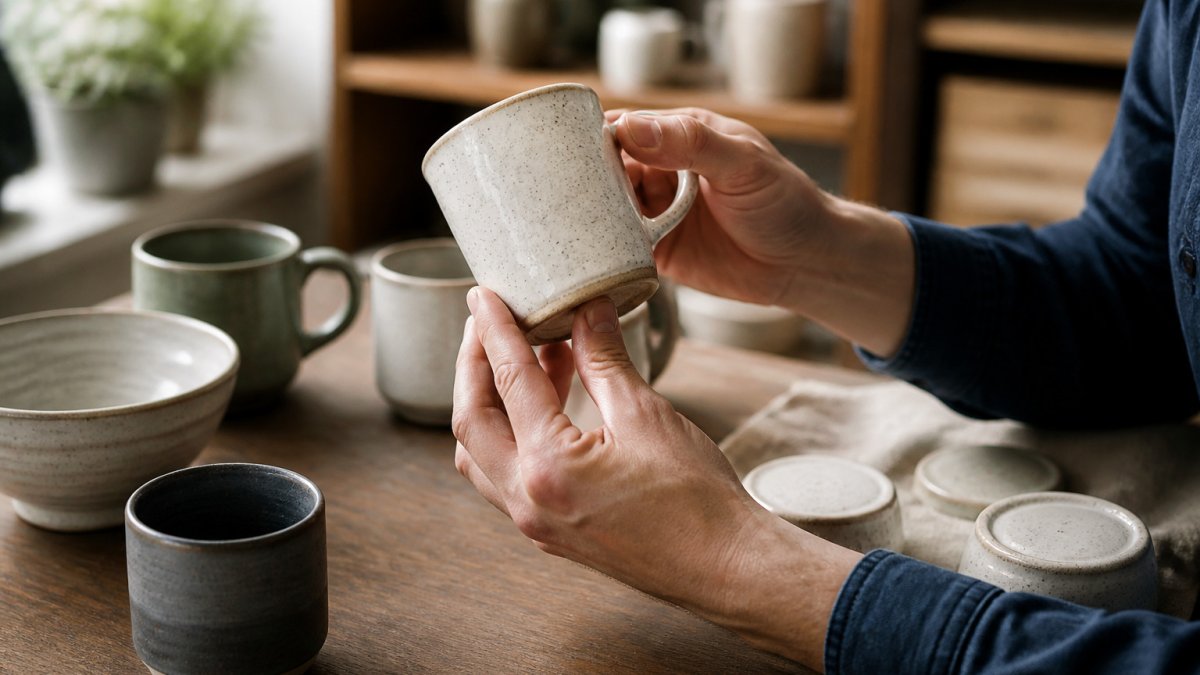
The one real risk is a damaged glaze. A cracked or worn glaze on a ceramic mug can harbor residue and affect taste over time. Retire any mug with a compromised interior finish.
The Best Material for Espresso Cups
Ceramic is the best material for espresso cups in most home setups. Thick ceramic walls hold the small volume of espresso at temperature, and the classic tulip shape concentrates aroma. Preheat the cup and the shot stays hot through the last sip.
Glass espresso cups have a real following, though. Serious Eats' guide to the best coffee mugs points out that glass helps coffee cool quickly, which suits drinkers who want to taste espresso sooner rather than sip it scalding.
For espresso specifically:
Ceramic: better heat retention, traditional feel, focused aroma.
Glass: faster cooling, visible crema, modern look.
If you pull a single shot and drink it within a minute, glass is a genuine option. If you linger, go ceramic.
Microwave, Dishwasher, and Ceramic Coffee Mug Care
Most plain ceramic and glass mugs are microwave and dishwasher safe, but compatibility depends on the specific mug, its glaze, any decoration, and the manufacturer's instructions. Treat the base label and the maker's guidance as the authority, not the material category.
Microwave safety. Plain, undecorated ceramic and heat-safe glass are generally microwave safe. Metallic glaze, gold rims, painted accents, and metallic decals can arc, spark, and damage both the mug and the microwave. If a mug has any metallic trim, do not microwave it. Also avoid microwaving a mug that is cold to the touch with a sudden high-power burst; gradual heating is gentler on the material.
Dishwasher safety. Glass mugs are typically dishwasher safe but can cloud over time from hard water and detergent; a vinegar soak often restores clarity. Ceramic is usually dishwasher safe, but hand-painted, metallic-trimmed, or antique mugs should be hand-washed to protect the finish. Avoid sudden temperature changes in the dishwasher cycle, such as loading a hot mug into a cold wash.
Thermal shock and glass type. Thermal shock is the sudden temperature change that can crack glass, such as pouring boiling water into a cold glass mug. Heat-safe borosilicate glass is formulated to resist thermal shock far better than ordinary soda-lime glass, so a mug marketed for hot coffee is not the same as a decorative glass tumbler. Even borosilicate has limits: avoid moving a mug straight from the freezer to a hot pour, and warm a cold glass mug with tap water before pouring hot coffee.
Ceramic care. Proper ceramic coffee mug care is simple:
Hand-wash hand-painted or metallic-trimmed mugs.
Skip abrasive scrubbers that wear the glaze.
Inspect rims for hairline cracks, which weaken the mug and can harbor residue.
Let mugs air-dry fully before stacking.
Retire any mug with a compromised interior glaze.
Oven use. Do not assume a mug is oven safe. Most ceramic mugs are not designed for oven or stovetop use, and glass mugs vary widely. Check the manufacturer's guidance before any oven use, and never use a mug under a broiler.
Watch Out Never microwave a mug with metallic trim or a gold rim. The metal can spark, damage the microwave, and ruin the finish in seconds.
When in doubt, follow the maker's instructions and test a new mug with warm, not boiling, water first.
Which Mug Fits Your Coffee Style? A Decision Guide
Match the mug to how you actually drink, not to how it looks on a shelf. Use this guide to decide:
Espresso: ceramic tulip cup, preheated.
Drip or pour-over, long sipping: thick ceramic mug.
Latte or cappuccino: glass if you want to see the layers, ceramic if you want it hot longer.
Iced coffee: double-walled glass, which resists condensation rings.
Commuting: an insulated travel mug beats both materials for heat retention.
At loveUcoffeeMugs, we stock both glass and ceramic coffee mugs, plus travel mugs and collectables, with free shipping on every order and sales tax included in the listed price.
Key Takeaway Pick ceramic for heat and durability, glass for visual appeal and faster cooling. Most coffee lovers end up owning both.
Frequently Asked Questions
Do ceramic mugs keep drinks hot?
Ceramic and porcelain are thicker and more insulating than glass, so they hold heat longer. Serious Eats notes that ceramic and porcelain add insulation, while glass lets coffee cool more quickly. Driftaway Coffee adds that evaporation and mug shape also affect cooling, so material is one factor, not the whole story. If you sip slowly over 20-30 minutes, a ceramic coffee mug keeps your drink warmer. If you want to drink sooner, glass can work in your favor.
Does a glass or ceramic mug affect how coffee tastes?
The mug material itself does not change the flavor of your coffee, but it changes how you perceive it. Aroma matters as much as taste, and a narrower rim on a ceramic mug can concentrate that aroma toward your nose. Glass lets you see the color and crema, which shapes the drinking experience visually. A clean mug matters more than the material: leftover oils and detergent residue affect flavor far more than glass versus ceramic.
Are glass coffee mugs more fragile than ceramic mugs?
Yes, generally. Glass cracks and shatters more easily than thick-walled ceramic, and it is more vulnerable to thermal shock, which happens when you pour boiling liquid into a cold mug. Ceramic can chip at the rim or handle but often survives knocks that would break glass. For everyday use around a sink or in a busy office, ceramic is the safer bet. Handle both with care and preheat glass before pouring hot coffee.
Can glass coffee mugs go in the microwave?
Most plain glass mugs are microwave safe, but check the manufacturer's label first. Double-walled glass and glass with metallic trim or decorations may not be. Ceramic is usually microwave safe too, unless it has metallic glaze or trim. Never microwave a mug with a metal band, and avoid sudden temperature changes, which can crack glass. For ceramic coffee mug care, hand washing decorative pieces preserves the glaze longer.
The real challenge isn't choosing a side in glass vs ceramic coffee mugs. It's finding drinkware that fits your ritual and holds up over time. loveUcoffeeMugs curates unique coffee mugs, travel mugs, and collectables, ships free on all orders, and includes sales tax in every price, so the total at checkout is the total you pay. Browse the collection and find the mug that matches how you actually drink your coffee.
Shop
Add loveucoffeemugs.com as a preferred source on Google →
Comments