


Best Travel Mug for Long Commute: 2026 Picks & Guide

Table of Contents
What to Look for in a Travel Mug for a Long Commute
Travel Mug That Keeps Coffee Hot: Insulation and Temperature Retention
How vacuum insulation actually works
A simple home test you can run before you buy
Where heat actually escapes
Leakproof Travel Mug: Seals, Lids, and Spill Prevention
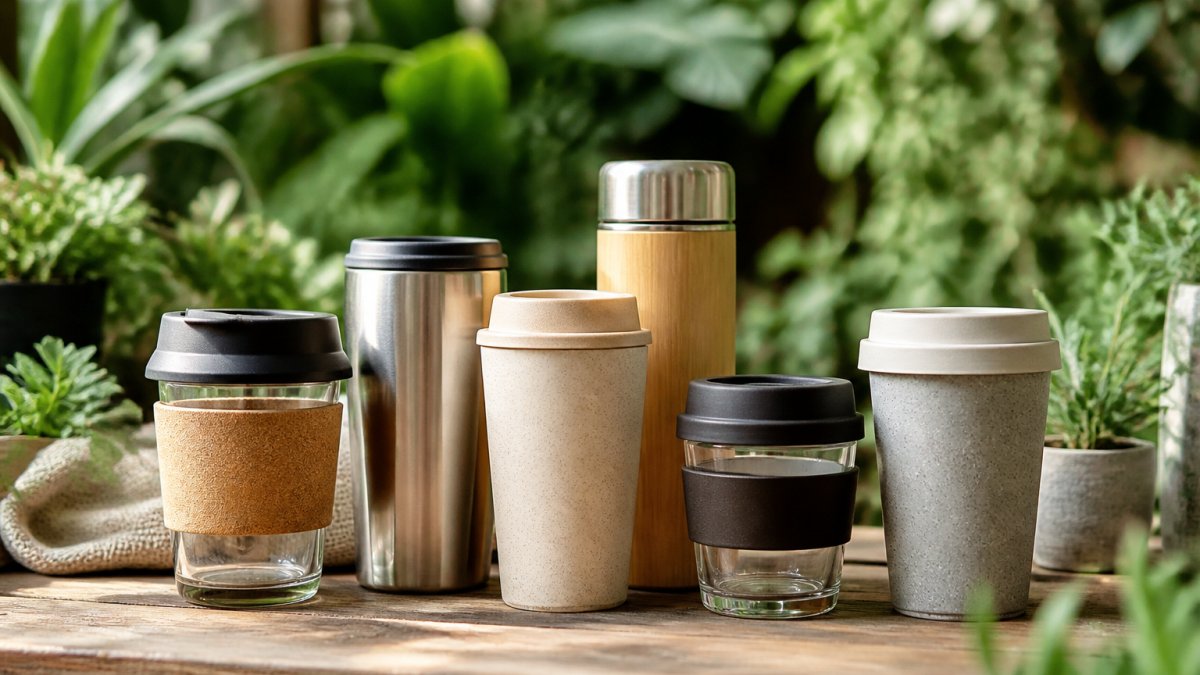
Best Insulated Coffee Mug Materials: Stainless Steel, Glass, Ceramic, and Plastic
Stainless steel: what the grade and coating actually mean
Glass and ceramic: inert but fragile
Plastic: the material to scrutinize most
The material-safety checks worth doing before you buy
Travel Mug with Easy-to-Clean Lid: Design Details That Matter
Capacity, Size, and Fit: Choosing the Right Travel Mug for Your Commute
Sustainability, Repairability, and Long-Term Value
Frequently Asked Questions
Last Updated: October 19, 2026
What to Look for in a Travel Mug for a Long Commute
Finding the best travel mug for long commute routines comes down to four things: how long it holds heat, whether the lid actually seals, how easy it is to clean, and whether it fits your cup holder and bag. At loveUcoffeeMugs, we offer a selection of travel mugs designed with these priorities in mind.
Here's the honest truth most buying guides skip: a long commute is a stress test. Your mug gets jostled in a bag, tipped in a cup holder, and asked to hold heat for 45 minutes or more.

Key Takeaway Prioritize seal quality and heat retention over looks. A beautiful mug that leaks in your bag or goes cold in 20 minutes isn't a travel mug, it's a desk ornament.
Below, we break down each factor so you can judge any travel coffee mug on its merits, not its marketing photos.
Travel Mug That Keeps Coffee Hot: Insulation and Temperature Retention
A travel mug that keeps coffee hot relies on double-wall vacuum insulation, which traps a vacuum layer between two walls to slow heat transfer. Stainless steel double-wall construction holds heat far longer than a single-wall mug or an uninsulated ceramic cup. But the difference between a mug that holds drinkable heat for 45 minutes and one that holds it for four hours comes down to construction details most buying guides never test.
How vacuum insulation actually works
A vacuum layer has almost no molecules to conduct heat, so the only meaningful heat paths left are the lid, the drinking opening, and the metal bridge at the rim where the inner and outer walls meet. That is why two mugs with identical wall thickness can perform very differently: the one with a longer, thinner rim bridge and a tighter lid loses less heat.
A simple home test you can run before you buy
A controlled home test can provide valuable insights. Here is a repeatable protocol:
Preheat the mug with hot tap water for one minute, then empty it.
Fill to one inch below the rim with water at a measured 200°F (just off boil).
Seal the lid and record the temperature at 30 minutes, 1 hour, 2 hours, and 4 hours with an instant-read thermometer.
Repeat with the mug left open to isolate lid performance from wall performance.
A strong insulated mug typically holds water above 140°F, the range most people still find comfortably hot, for at least two hours with the lid on. Run the same test with cold water and ice to check cold retention; the same vacuum layer that slows heat loss slows heat gain.
Where heat actually escapes
The lid is the biggest leak. Most heat escapes through the drinking opening and the lid-to-body junction, not the walls. A mug with excellent walls and a loose lid underperforms a mid-tier mug with a tight, insulated lid.
The rim bridge matters. Feel the rim where the inner and outer walls meet. A thin, long bridge stays cooler to the touch and loses less heat than a short, thick one.
Preheating helps. Fill the mug with hot water for a minute before adding coffee, and it stays hot noticeably longer, often 15 to 30 minutes longer in a home test.
A common mistake is judging insulation by how warm the outside feels. If a mug feels hot to the touch, that is heat escaping. A good insulated mug stays cool on the outside while the coffee inside stays hot.
Key Takeaway Before you trust a heat-retention claim, run the 200°F home test with the lid on and off. The gap between those two curves tells you whether you are paying for wall insulation or just a good lid.
Leakproof Travel Mug: Seals, Lids, and Spill Prevention
A leakproof travel mug needs a silicone gasket seated correctly inside the lid and a closure that locks shut. No lid is truly leakproof if the seal is missing, twisted, or worn, so check the gasket first whenever a mug starts dripping.
What separates a genuinely leakproof design from a splash-resistant one:
Screw-on lids seal more reliably than press-fit lids.
A locking closure over the drinking opening prevents spills when the mug tips over in a bag.
A removable silicone gasket is essential, because a gasket you can't remove is a gasket you can't clean, and a dirty gasket stops sealing properly.
Watch Out Never put a travel mug filled with coffee loose in a bag without checking the lid closure first. One flipped lid can soak a laptop, and most mug warranties don't cover what's inside your bag.
Best Insulated Coffee Mug Materials: Stainless Steel, Glass, Ceramic, and Plastic
The best insulated coffee mug material depends on your priorities: stainless steel wins on durability and heat retention, glass and ceramic win on flavor, and plastic should be approached carefully. But material choice is also a food-contact safety decision, and most buying guides stop at "BPA-free" without explaining what that label does and does not cover. Here is how the four main options compare on performance and on the evidence behind their safety claims.
Material | Heat Retention | Durability | Flavor Neutrality | Food-Contact Notes | Best For |
Stainless steel | Excellent | Excellent | Good | Food-grade 18/8 (304) is the common standard; interior coatings vary | Daily commutes, rough handling |
Glass | Fair | Poor | Excellent | Inert, no leaching concern; breakage is the real risk | Desk use, flavor purists |
Ceramic | Good (with insulation) | Fair | Excellent | Glaze quality matters; lead-free glaze is the key claim to verify | Home-to-office short trips |
Plastic | Poor | Good | Fair | Heat and wear increase migration risk; avoid very hot liquids | Lightweight, budget use |
Stainless steel: what the grade and coating actually mean
Food-grade 18/8 stainless steel, also labeled 304, is the common interior standard for travel mugs, and it is widely regarded as suitable for food contact. The variable is the interior coating. Many stainless mugs use a polymer or ceramic-based interior coating to keep coffee from tasting metallic. Those coatings can wear, scratch, or degrade with repeated dishwasher cycles, and a compromised coating exposes the metal underneath.
Glass and ceramic: inert but fragile
Glass is the most inert food-contact surface in common use, it does not leach and does not retain odors or flavors. The trade-off is breakage, which makes glass a poor fit for a bag-and-train commute. Ceramic is similarly flavor-neutral, but glaze quality is the safety variable. Look for a lead-free glaze claim and avoid vintage or unmarked ceramic mugs with unknown glazes, especially for hot, acidic coffee.
Plastic: the material to scrutinize most
Plastic is the weakest choice for heat retention and the one to scrutinize most for food-contact safety. "BPA-free" means the specific bisphenol-A compound is absent; it does not mean the replacement compound is risk-free, and it does not address other additives. Heat accelerates migration from plastics into food and drink, so very hot coffee in thin plastic is the highest-risk combination.
The material-safety checks worth doing before you buy
Confirm the interior grade, 18/8 or 304 stainless is the common food-contact standard.
Ask about interior coatings, uncoated, polymer, or ceramic-lined, and whether the coating is covered by warranty.
Verify lead-free glaze on any ceramic drinking surface.
Watch Out A worn interior coating is a food-contact issue, not just a cosmetic one. If the inside of a stainless mug is flaking or scratched through to bare metal, retire it rather than keep drinking from it.
Travel Mug with Easy-to-Clean Lid: Design Details That Matter
A travel mug with an easy-to-clean lid saves you from the sour-milk smell that ruins a mug permanently. The single best design feature is a lid that fully disassembles, so every part that touches coffee can be washed.
Look for these details:
A lid that comes apart into two or three pieces, including the gasket.
Wide-mouth openings that let a bottle brush reach the bottom.
Dishwasher-safe labeling on both the body and the lid, since many lids are hand-wash only.
Pro Tip Rinse your mug with hot water immediately after you finish your coffee, before you leave it in the car or bag. A 10-second rinse prevents most of the buildup that makes lids hard to clean later.
Capacity, Size, and Fit: Choosing the Right Travel Mug for Your Commute
Capacity is a Goldilocks decision: too small and you run out of coffee, too large and the mug won't fit your cup holder or bag pocket.
Match size to your routine:
12 ounces suits a short drive and a single cup.
16 ounces is the everyday sweet spot for most commutes.
20 ounces and up works for long drives or people who sip all morning.
Measure before you buy. Check your car's cup holder diameter, your bag's side pocket, and your coffee maker's output.
For anyone with limited hand strength or who drives one-handed, look for a lid you can open and close with a thumb, and a body that's easy to grip.
Sustainability, Repairability, and Long-Term Value
The most sustainable travel mug is the one you keep using. A reusable mug only beats single-use cups over time, and the longer you use it, the better the trade-off. That makes repairability and replacement parts the real sustainability story.
What to look for:
Replaceable gaskets and lids. A worn gasket is the number-one reason people throw away a perfectly good mug. If you can buy a replacement seal, the mug lasts years longer.
Post-consumer recycled content in stainless steel bodies, where brands offer it.
Plastic-free construction if avoiding microplastics and plastic food-contact surfaces is a priority for you.
Key Takeaway Before you replace a leaking mug, check the gasket. Replacing a worn seal is cheaper and greener than buying a new mug, and it's the fix most people never try.
At loveUcoffeeMugs, we stock travel mugs with an eye toward durability and everyday function, and every order ships free with sales tax already included in the price you see. If you're choosing a gift or upgrading your own commute setup, our selection offers options for coffee lovers who want their drinkware to last.
Frequently Asked Questions
What is the best travel mug for keeping coffee hot on a long commute?
Look for a double-wall vacuum-insulated stainless steel mug with a tight-sealing lid. That combination slows heat loss best over a 30-60 minute commute. Ceramic-lined options also hold heat well but are heavier. Check the manufacturer's stated temperature retention time and read reviews from commuters who tested it on actual train or bus rides. A wide mouth helps with cleaning, while a narrow drinking opening reduces spills.
How long should a travel mug keep coffee hot?
A good insulated travel mug should keep coffee hot for at least 2-4 hours, and premium models can hold heat for 6 hours or more. For a typical long commute of 30-90 minutes, even a basic double-wall mug will keep your drink comfortably hot. If you need coffee to stay hot through a full workday, choose a vacuum-insulated stainless steel mug with a sealed lid and preheat it with hot water before filling.
Are leakproof travel mugs safe to carry in a bag?
Yes, a truly leakproof travel mug with a threaded lid and silicone gasket can be carried in a bag without spilling. Look for lids that lock or screw on securely, and avoid slide-top or press-fit lids if you plan to toss the mug in a backpack. Test the seal at home by filling the mug with water, closing it, and shaking it over a sink. Even leakproof mugs can leak if the gasket is worn or the lid is not fully tightened.
Is stainless steel or ceramic better for a travel mug?
Stainless steel is more durable, lighter, and better at keeping drinks hot for hours thanks to vacuum insulation. Ceramic-lined mugs offer a pure taste with no metallic aftertaste and are often preferred for tea or specialty coffee, but they are heavier and can chip if dropped. Glass travel mugs are another option for flavor purity but are the most fragile. For commuting, stainless steel with a ceramic lining combines durability and taste.
A long commute exposes every weakness in a travel mug, from a lid that drips to insulation that quits halfway there. If you're ready to stop settling for lukewarm coffee and bag spills, loveUcoffeeMugs offers a curated range of travel mugs and coffee gifts with free shipping on every order and sales tax included in the listed price. Browse our collection and find a mug that earns its place in your bag.
Shop
Comments